The Plateau of Productivity
As we move through 2026, the initial "shock and awe" of generative AI has faded, replaced by deep, structural integration. We are no longer amazed that a machine can talk; we are focused on what that machine can *do* in the real world. Looking toward 2027, the trends point to a shift from "Chat" to "Agents."
1. The Agentic Shift
The next big wave is the move from models that talk to agents that act. We will see AI systems that can execute multi-step tasks across different software platforms without human intervention. Imagine telling your AI, "Organize a three-day conference in London for 50 people," and having it handle the bookings, invitations, and schedule based on your preferences and budget.
2. Hyper-Personalization at Scale
Every digital experience will become unique. From the news you read to the software you use, AI will tailor the interface and the content to your specific needs and learning style. This "Segment of One" marketing and product design will become the standard, making generic experiences feel archaic.
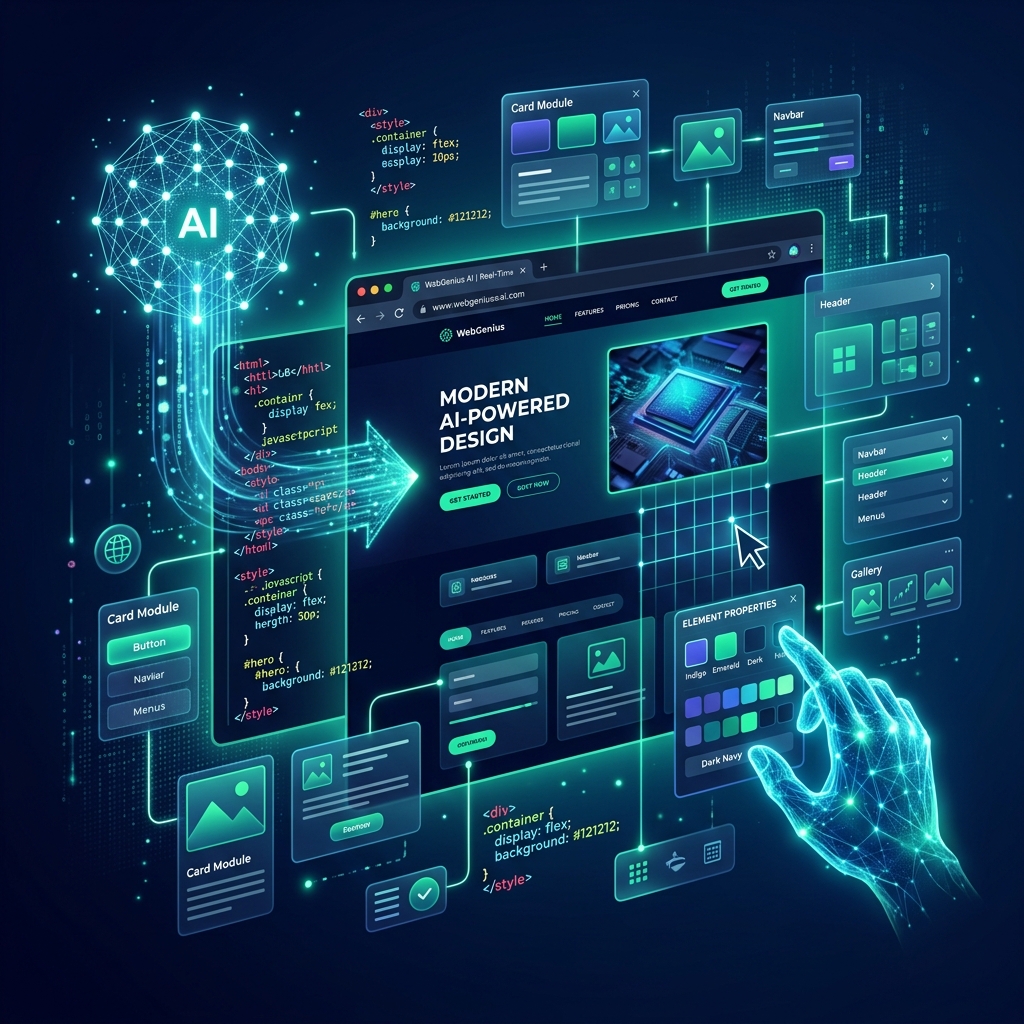
Tools that allow for this level of deep customization, like Kaiber for personalized video content or v0.dev for custom UI components, are just the beginning of this trend.
3. The Physical World Connection
Finally, we will see AI making more significant inroads into the physical world through advanced robotics and specialized sensors. The same logic that powers our code assistants will soon power the machines that build our homes and deliver our goods, leading to a massive increase in efficiency across all sectors of the economy.
Conclusion
The future is not a destination; it is a process of constant adaptation. As AI becomes more capable and more invisible, our human role will become even more focused on ethics, creativity, and the "why" behind our actions. The most exciting part of this journey is that we are the ones writing the script.