The Sound of the Future
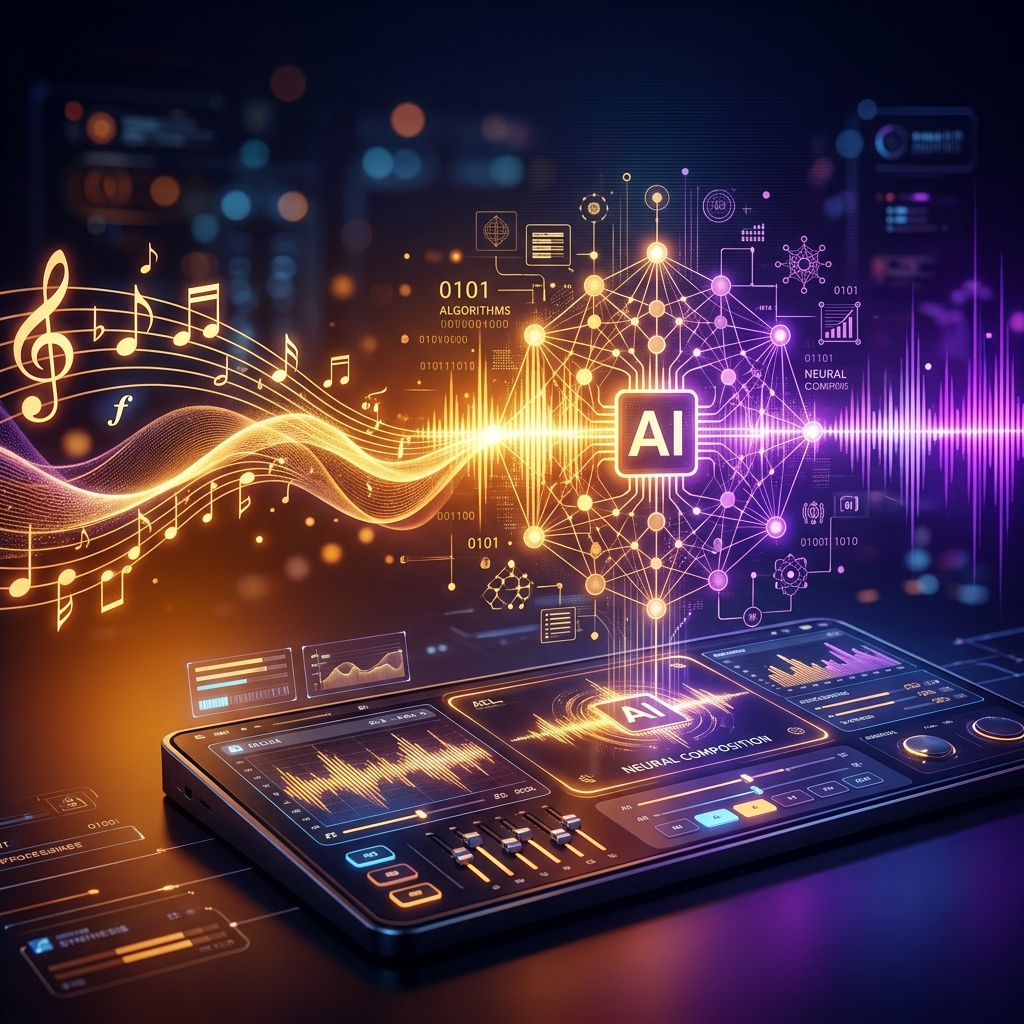
The music industry has always been at the forefront of technological change, from the invention of the electric guitar to the rise of digital streaming. In 2026, we are witnessing the most significant shift yet: the democratization of music creation through generative AI. What once required a studio, a band, and years of training can now be initiated with a simple sentence.
1. Breaking the Technical Barrier
For many, the biggest obstacle to creating music was technical. Knowing how to play an instrument or navigate a complex Digital Audio Workstation (DAW) was a prerequisite for self-expression. AI music tools have removed this gatekeeping. Now, anyone with a melody in their head can see it realized in full arrangement.
Platforms like Suno AI are leading this charge. By understanding the relationships between lyrics, genre, and melody, these systems can generate complete songs that sound professionally produced. This is not just about making "background music" for videos; it is about providing a new tool for emotional expression.
2. A New Workflow for Songwriters
Professional songwriters are also finding value in these tools. Instead of starting with a blank page, they can use AI to generate "sketches" or different harmonic directions for a lyric they have written. It acts as a hyper-fast collaborator that never gets tired and has an infinite library of stylistic references.
Imagine being able to hear your ballad as a synth-wave track, a jazz standard, and a heavy metal anthem in under two minutes. This rapid prototyping allows artists to find the perfect "vibe" for their message before they ever step into a recording booth.
3. The Ethical and Creative Landscape
As with any transformative technology, AI music brings challenges. Questions of copyright, voice cloning, and the "value" of human-made art are being debated in courts and studios around the world. However, the prevailing view in 2026 is one of collaboration. AI is seen as an instrument—like a synthesizer or a sampler—that requires human direction to produce something truly meaningful.
Conclusion
AI is not the end of music; it is the beginning of a new chapter. It is expanding the vocabulary of sound and allowing more people than ever to share their musical stories. As we move forward, the most compelling music will likely be that which combines the raw emotional power of human experience with the limitless sonic possibilities of artificial intelligence.